


 EN
·
EN
·  DE
DEThrough-Glass Vias: the optics-ready foundation for next-generation AI packaging.
Glass interposers with Through-Glass Vias are the platform the >$100B HBM market is converging on. But they only work if you can drill TGVs at production yield. Conventional optics were never designed for it. Our white paper makes the case for 3D beam shaping as the drop-in, scanner-compatible, fab-ready answer.
- Glass is the next interposer: larger panels (500–700 mm), ~50% less warpage, better signal integrity at lower cost than silicon
- The enabling process: copper-filled vias 20–50 µm in diameter, aspect ratios 1:4 to >1:50, at yield across full panels
- On a 10,000-via panel a 1% defect rate can scrap the unit: advanced beam shaping reports 1–5% absolute yield gains and 50–200% higher throughput
- Gaussian: ~40 µm depth of focus for a 5 µm spot; drilling 300–500 µm glass gives 5–15° taper and focus-drift yield loss
- Bessel / axicon: extended depth, but alignment-sensitive, not scanner-compatible (10–50× slower), lab-only
- The missing piece is a beam profile that stays consistent on the production floor
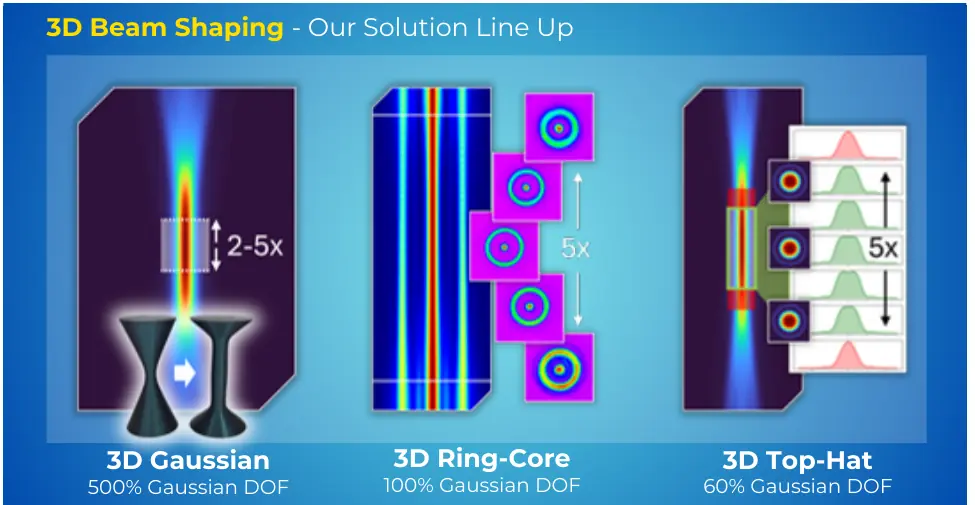
Matched to the challenge you lead with
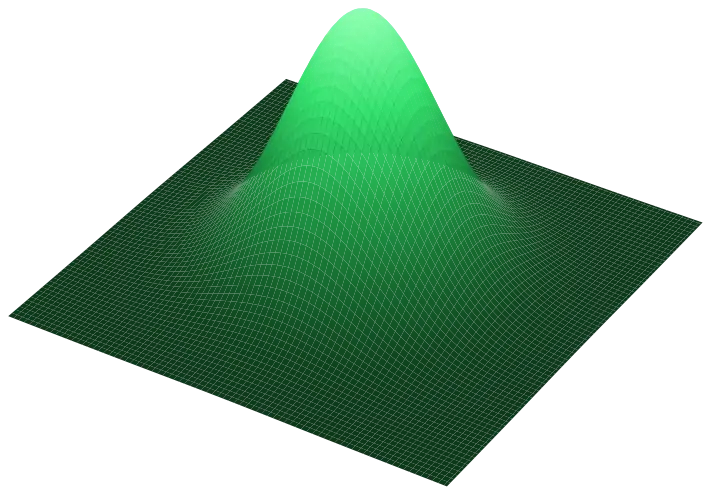
3D Gaussian Focal Shaper
Extends depth of focus up to 5×, so the process stops depending on a knife-edge focus.
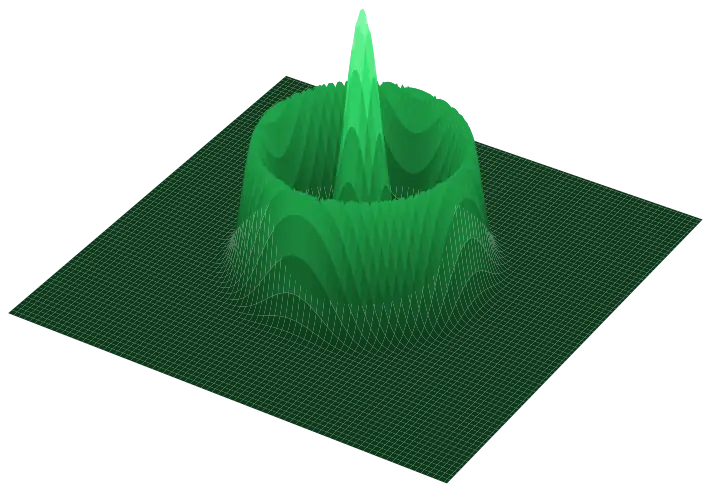
Explore → EDOF · ring profile3D Ring-Core Shaper
A ring around a core, stable across the full depth of focus: calmer keyhole, less spatter.
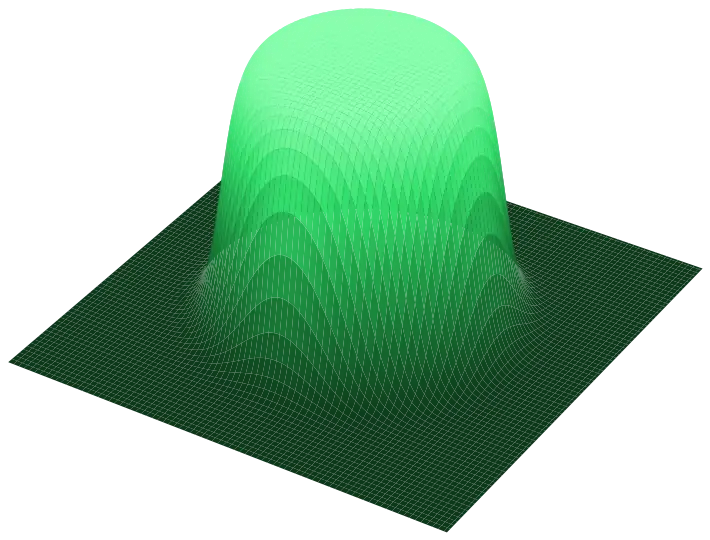
Explore → EDOF · flat-top3D Top-Hat Beam Shapers
Holds a uniform flat-top across the depth of focus, not just in the focal plane.
Explore →All three share one integration principle: a single drop-in reflective DOE in the collimated beam path, before the focusing lens. No changes to laser, scanner, software or alignment. Scanner-compatible at full production speed. Figures from the white paper, confirmed per configuration.
Get the complete technical case
Read the full analysis: the AI-memory imperative, the glass-interposer bottleneck, and a side-by-side approach comparison. It also covers how each of our three shapers maps to the TGV challenges of depth of focus, taper, plasma evacuation and optical efficiency.
- The $100B HBM driver and why glass wins
- Where Gaussian, Bessel and axicon approaches break down
- A full approach-comparison matrix: conventional vs. 3D
- Drop-in integration: from lab to production floor
Ready to solve TGV drilling at yield?
Tell us your panel, laser and via geometry. We’ll map it to the right 3D profile and scope a first project.
Discuss your challenge